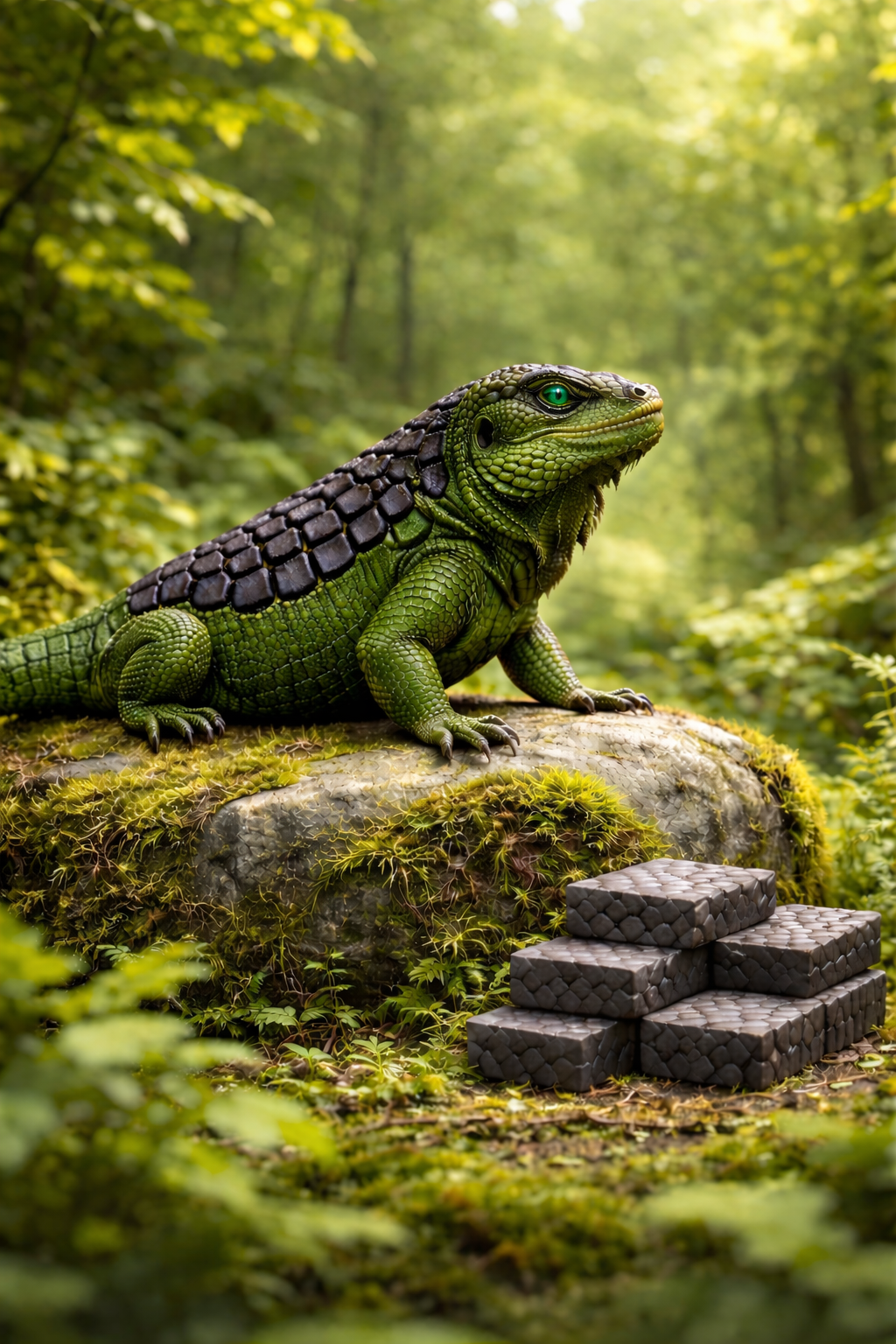
Futuristic Eco-Animal Concept by Niati Nithin
KARBOLIZARD
Nature's answer to climate change. A bio-engineered creature that breathes CO₂ and exhales pure oxygen.
Capturing 50kg of carbon annually through its remarkable scale system
Meet the Species
What is a KarboLizard?
The KarboLizard is a conceptual bio-engineered creature designed to combat climate change. About twice the size of a large house cat, this remarkable animal represents a fusion of reptilian biology and advanced carbon capture technology.
CO₂ Respiration
Inhales carbon dioxide from the atmosphere and processes it through specialized lung tissue
Oxygen Production
Exhales pure oxygen back into the environment, mimicking photosynthesis in animals
Carbon Storage
Stores captured carbon in its unique scale structure, up to 50kg per year
Carbon Bricks
Sheds scales twice yearly as reusable 'carbon bricks' - 25kg each shedding cycle
Life in the Wild
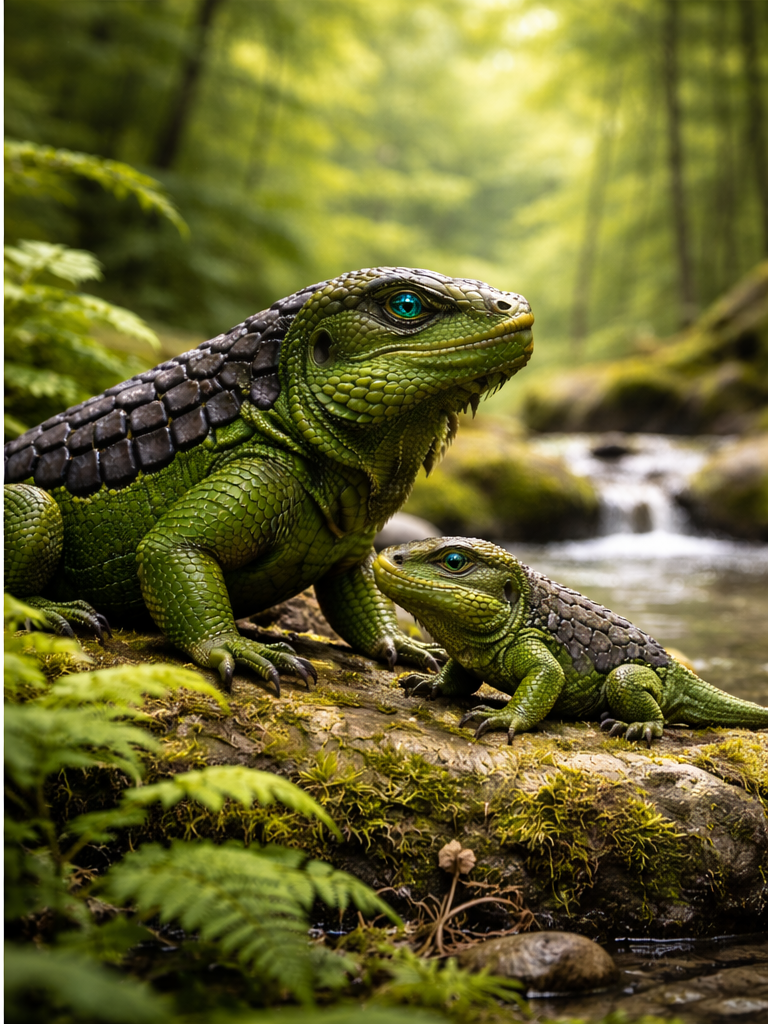
Family Bonds
KarboLizards care for their young until juveniles develop their first carbon scales, typically around 6 months of age.
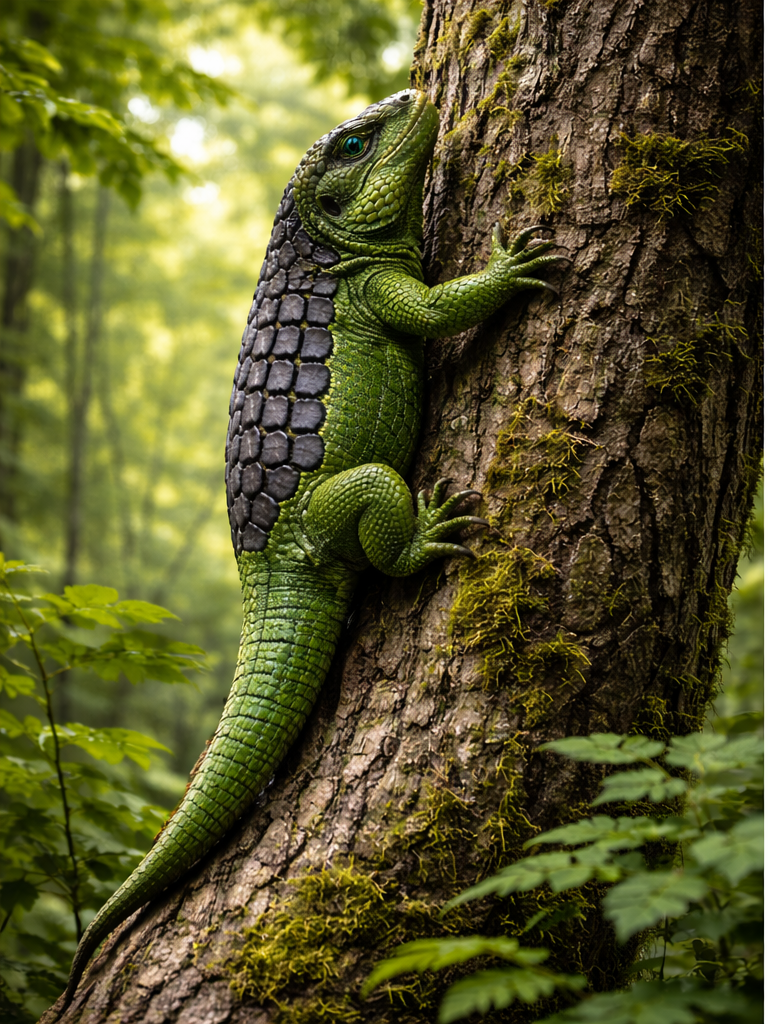
Natural Habitat
These agile climbers thrive in temperate forests where CO₂ concentrations are highest near the forest floor and canopy.
50kg
Carbon captured yearly
2x
Size of a house cat
2
Shedding cycles per year
25kg
Carbon bricks per shed
Understanding the Science
Carbon Capture Explained
Carbon capture technology is at the forefront of climate solutions. By removing CO2 from the atmosphere or preventing its release, we can help stabilize global temperatures and create a more sustainable future.
Current atmospheric CO2 levels
Pre-industrial levels were around 280 ppm
Tonnes of CO2 emitted yearly
From human activities worldwide
CO2 absorbed by oceans
Causing ocean acidification
CO2 absorbed by land
Through forests and vegetation
The Carbon Problem
Since the Industrial Revolution, human activities have released massive amounts of carbon dioxide into the atmosphere. Burning fossil fuels, deforestation, and industrial processes have increased atmospheric CO2 by over 50% compared to pre-industrial levels.
This excess CO2 acts like a blanket around Earth, trapping heat and causing global temperatures to rise. The consequences include melting ice caps, rising sea levels, more extreme weather events, and disruption to ecosystems worldwide.
While reducing emissions is crucial, scientists agree we also need to actively remove CO2 that's already in the atmosphere. This is where carbon capture technologies - and innovative biological solutions like the KarboLizard - become essential.
The KarboLizard Advantage
Unlike mechanical carbon capture systems that require significant energy and infrastructure, the KarboLizard represents a self-sustaining biological approach. It processes CO2 through specialized respiratory organs, separates the carbon atoms, and deposits them into its mineralized scales. These scales can then be harvested as permanent carbon storage materials called "carbon bricks."
Key Concepts
What is Carbon Capture?
Carbon capture is the process of capturing carbon dioxide (CO2) emissions from sources like power plants and industrial processes, or directly from the atmosphere, preventing it from entering and accumulating in the atmosphere.
Natural Carbon Sinks
Forests, oceans, and soil naturally absorb CO2. Trees absorb about 22kg of CO2 per year. The KarboLizard concept builds on nature's methods, capturing over twice that amount.
Why It Matters
Excess CO2 in the atmosphere traps heat, leading to global warming. Capturing and storing carbon helps reduce greenhouse gas concentrations and mitigate climate change effects.
Carbon Storage Solutions
Captured carbon can be stored underground, converted into products, or locked into materials. The KarboLizard's 'carbon bricks' represent a creative biological storage solution.
Carbon Capture Methods
Scientists and engineers have developed various approaches to capture carbon dioxide. Each method has its own advantages, challenges, and applications.
Point Source Capture
Currently UsedCaptures CO2 directly from industrial facilities like power plants and factories before it enters the atmosphere.
Direct Air Capture (DAC)
Emerging TechnologyUses chemical processes to extract CO2 directly from ambient air, regardless of the source.
Biological Capture
Natural & EngineeredUtilizes living organisms like trees, algae, or engineered creatures to absorb and store carbon naturally.
Ocean-Based Capture
ExperimentalEnhances the ocean's natural ability to absorb CO2 through iron fertilization or alkalinity enhancement.
How Carbon Storage Works
Once carbon is captured, it needs to be stored safely for long periods. Here are the main storage approaches:
Geological Storage
CO2 is compressed and injected deep underground into rock formations, depleted oil and gas reservoirs, or saline aquifers where it can remain for thousands of years.
Carbon Utilization
Captured CO2 can be converted into useful products like building materials, fuels, plastics, or chemicals, creating economic value while storing carbon.
Mineralization
Carbon reacts with minerals to form stable carbonate rocks. This is the process the KarboLizard uses - converting CO2 into solid carbon bricks in its scales.
The KarboLizard Carbon Cycle
Atmospheric CO2
Present in air
KarboLizard Processes
Inhales CO2, exhales O2
Carbon Bricks Formed
25kg per shedding
50 kg
Carbon captured per year
2x
More effective than a tree
Permanent
Carbon locked in solid form
Questions & Answers
Frequently Asked Questions
Learn more about the KarboLizard and the science of carbon capture